History atlas · Theme 12f
Part of: Early medieval India · Understanding early medieval India · North India: Harsha, Palas, Pratiharas · The Rajput kingdoms · The Deccan: Chalukyas to Yadavas · South India: Pallavas, Pandyas, Cholas · Bhakti in the south and beyond
Bhakti in the south, and its philosophers
600 to 1200 CE
Bhakti, from the root bhaj, is personal, emotional devotion to Shiva or Vishnu through love, surrender and song, open to those whom Sanskrit ritual, Brahmin mediation or monastic life shut out. It began in the Tamil country from the sixth century with the 63 Shaiva Nayanmars and the 12 Vaishnava Alvars, whose hymns became canons. Shankaracharya gave Brahmanical religion Advaita and a network of mathas across India, Ramanuja gave devotion a philosophy in Vishishtadvaita, and in Karnataka Basavanna's Veerashaivas rejected caste itself.
- Sacred site
- Capital
- UNESCO World Heritage Site
- The Tevaram, the hymns of the Nayanmars, forms the first seven books of the Tirumurai, compiled under Rajaraja I.
- The Tirumurai, the Tamil Shaiva canon of twelve books, includes Manikkavacakar's Tiruvasakam as its eighth.
- The Nalayira Divya Prabandham, the four thousand verses of the Alvars, was compiled by Nathamuni.
- It holds Nammalvar's Thiruvaimozhi, the Tamil Veda, and Andal's Thiruppavai.
- Sekkizhar's Periyapuranam gives the lives of the 63 Nayanmars, and their list is attributed to Sundarar.
- Shankaracharya's commentaries on the Brahmasutra, the Upanishads and the Bhagavad Gita set out Advaita.
- The Vachana poetry of the Sharanas, in Kannada, is the source for Basavanna's Veerashaiva movement.
- Bhakti means devotion or loving attachment, from the root bhaj, to share or participate in.
- It is personal, emotional devotion to Shiva or Vishnu through love, surrender and song rather than ritual, learning or caste position.
- Brahmanical religion needed Sanskrit, costly ritual and Brahmin mediation; Buddhism and Jainism needed monastic commitment.
- Women, lower castes, merchants and farmers needed religion in their own language, and Bhakti supplied it.
- Some of the most celebrated saints came from the lowest strata: Kannappa the hunter, Nandanar the Dalit, Tiruppan Alvar of the Panar.
- The inclusiveness was genuine, but it rarely challenged the social order outside the devotional context.
- The 63 Nayanmars were Tamil Shaiva saints whose hymns form the Tevaram.
- The Tevaram is the first seven books of the Tirumurai, compiled under Rajaraja I at the instance of Nambiyandar Nambi.
- Sambandar, a Brahmin child, was the most prolific, credited with 4,181 hymns, of which 383 survive.
- Appar, first a Jain monk, converted the Pallava Mahendravarman I.
- Sundarar was called the friend of Shiva, and the list of the 63 is attributed to him.
- Manikkavacakar, minister to a Pandya king, wrote the Tiruvasakam, the eighth book of the Tirumurai.
- Kannappa Nayanar, a hunter, offered his own eyes to a weeping Shiva image, the exemplar of devotion beyond status.
The Tirumurai
| Books | What they hold |
|---|---|
| 1 to 7 | The Tevaram, the hymns of the Nayanmars |
| 8 | The Tiruvasakam of Manikkavacakar |
- The 12 Alvars were Tamil Vaishnava saints whose hymns form the Nalayira Divya Prabandham, the four thousand verses.
- Nathamuni compiled it in the ninth or tenth century.
- The three earliest, Poigai, Bhutatthalvar and Peyalvar, composed the first 300 verses.
- Thirumalisai Alvar, of low caste origin, was known for philosophical debate.
- Nammalvar, the greatest, composed 1,296 verses, and his Thiruvaimozhi is called the Tamil Veda.
- Andal, the only woman Alvar, composed the Thiruppavai, sung every morning of Margazhi.
- Thirumangai Alvar, who composed 1,353 verses, is said to have taken gold from a Buddhist shrine for a Vaishnava temple.
- Shankaracharya, about 788 to 820 CE, was born at Kaladi in Kerala and became a sannyasi as a child.
- He travelled India debating every school, and by tradition died at Kedarnath at thirty two.
- In Advaita Vedanta, ultimate reality is Brahman, and the individual soul and Brahman are identical.
- The world's apparent diversity is Maya, and liberation is the recognition of that identity.
- He wrote commentaries on the Brahmasutra, the Upanishads and the Bhagavad Gita.
- He argued against Buddhism, calling schools like Samkhya prachanna bauddha, crypto Buddhist.
- His four mathas, Sringeri, Puri, Dwaraka and Jyotirmath, gave Brahmanical religion a pan Indian institutional presence.
- Ramanuja, traditionally about 1017 to 1137 CE, studied at Kanchipuram and was based at Srirangam.
- The traditional dates give him 120 years, and should be treated as traditional.
- In Vishishtadvaita, qualified non dualism, Brahman is real and has attributes.
- Souls and the world are equally real and form the body of which Vishnu is the soul, so the devotee's love is real.
- Prapatti, complete surrender to Vishnu, is the path to liberation.
- His Sri Vaishnava synthesis joined the Sanskrit tradition to the Tamil Alvars.
- He converted the Hoysala Bittideva, thereafter Vishnuvardhana, after which the Belur Chennakeshava was built.
Advaita and Vishishtadvaita
Advaita, Shankaracharya
- Brahman: the undifferentiated absolute
- The world: its diversity is Maya
- The soul: identical with Brahman
- The path: recognising that identity
Vishishtadvaita, Ramanuja
- Brahman: real, with attributes; Vishnu
- The world: real, the body of Brahman
- The soul: real, part of that body
- The path: prapatti, complete surrender
- The Natha tradition of Gorakshanath, ninth to eleventh century, linked Shaivism, Tantra and popular vernacular religion in the north.
- The Nathas practised yoga and wrote in the vernacular, and Gorakshanath is venerated across Uttar Pradesh, Bihar, Rajasthan and Nepal.
- Basavanna, about 1131 to 1167, minister to the Kalachuri Bijjala II at Kalyana, founded the Veerashaiva or Lingayata movement.
- It rejected caste hierarchy, Brahmin priestly authority, temple image worship and ritual purity rules.
- Its saints, the Sharanas, composed Vachana poetry in Kannada.
- North Indian Bhakti proper belongs to the following period, though the tradition Ramananda drew on was being built now.
Saints and philosophers, 600 to 1200
7th century
Sambandar and Appar; Appar converts Mahendravarman I; the three earliest Alvars
8th century
Sundarar; Andal; Thirumangai Alvar
About 788 to 820
Shankaracharya
9th century
Manikkavacakar; Nammalvar
9th or 10th century
Nathamuni compiles the Nalayira Divya Prabandham
10th century
The Tevaram compiled under Rajaraja I
9th to 11th century
Gorakshanath and the Nathas
About 1017 to 1137, by tradition
Ramanuja
About 1131 to 1167
Basavanna at Kalyana
Sambandar
saint
A Brahmin child, 7th century; the most prolific Nayanmar; debated Jains and Buddhists.
Sundarar
saint
8th century Nayanmar, the friend of Shiva; the list of the 63 is attributed to him.
Manikkavacakar
saint
Minister to a Pandya king, 9th century; the Tiruvasakam.
Kannappa Nayanar
saint
A hunter who offered his own eyes to a weeping Shiva image.
Nandanar
saint
A Dalit Nayanmar.
Nambiyandar Nambi
scholar
At whose instance the Tevaram was compiled under Rajaraja I.
Poigai
saint
One of the three earliest Alvars, 7th century.
Bhutatthalvar
saint
One of the three earliest Alvars.
Peyalvar
saint
One of the three earliest Alvars.
Thirumalisai Alvar
saint
Of low caste origin, 7th century; known for philosophical debate.
Nammalvar
saint
The greatest Alvar, 9th century; the Thiruvaimozhi, the Tamil Veda.
Andal
saint
The only woman Alvar, 8th century; the Thiruppavai and the Nachiyar Thirumozhi.
Thirumangai Alvar
saint
8th century; composed 1,353 verses.
Tiruppan Alvar
saint
An Alvar of the Panar community.
Nathamuni
scholar
Compiled the Nalayira Divya Prabandham.
Shankaracharya
philosopher; also Shankara
About 788 to 820 CE; born at Kaladi; Advaita Vedanta; the four mathas.
Gorakshanath
saint
Of the Natha tradition, ninth to eleventh century.
Basavanna
saint
About 1131 to 1167 CE; minister to Bijjala II at Kalyana; founder of the Veerashaiva movement.
Bijjala II
king
Kalachuri king at Kalyana, whom Basavanna served.
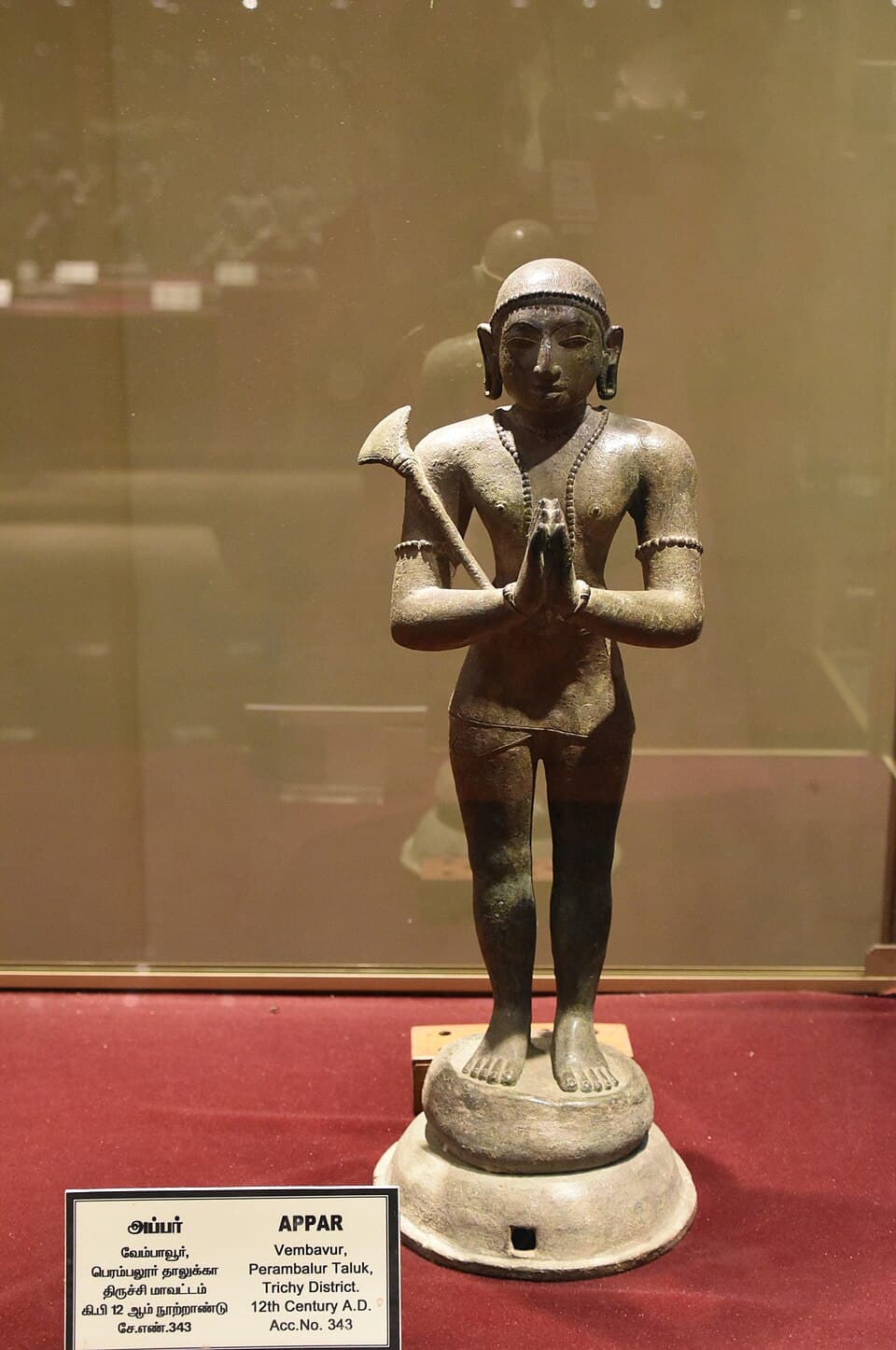
Appar, a Chola bronze
Appar, first a Jain monk, turned Shaiva and converted the Pallava Mahendravarman I.
Richard Mortel from Riyadh, Saudi Arabia, CC BY 2.0, via Wikimedia Commons
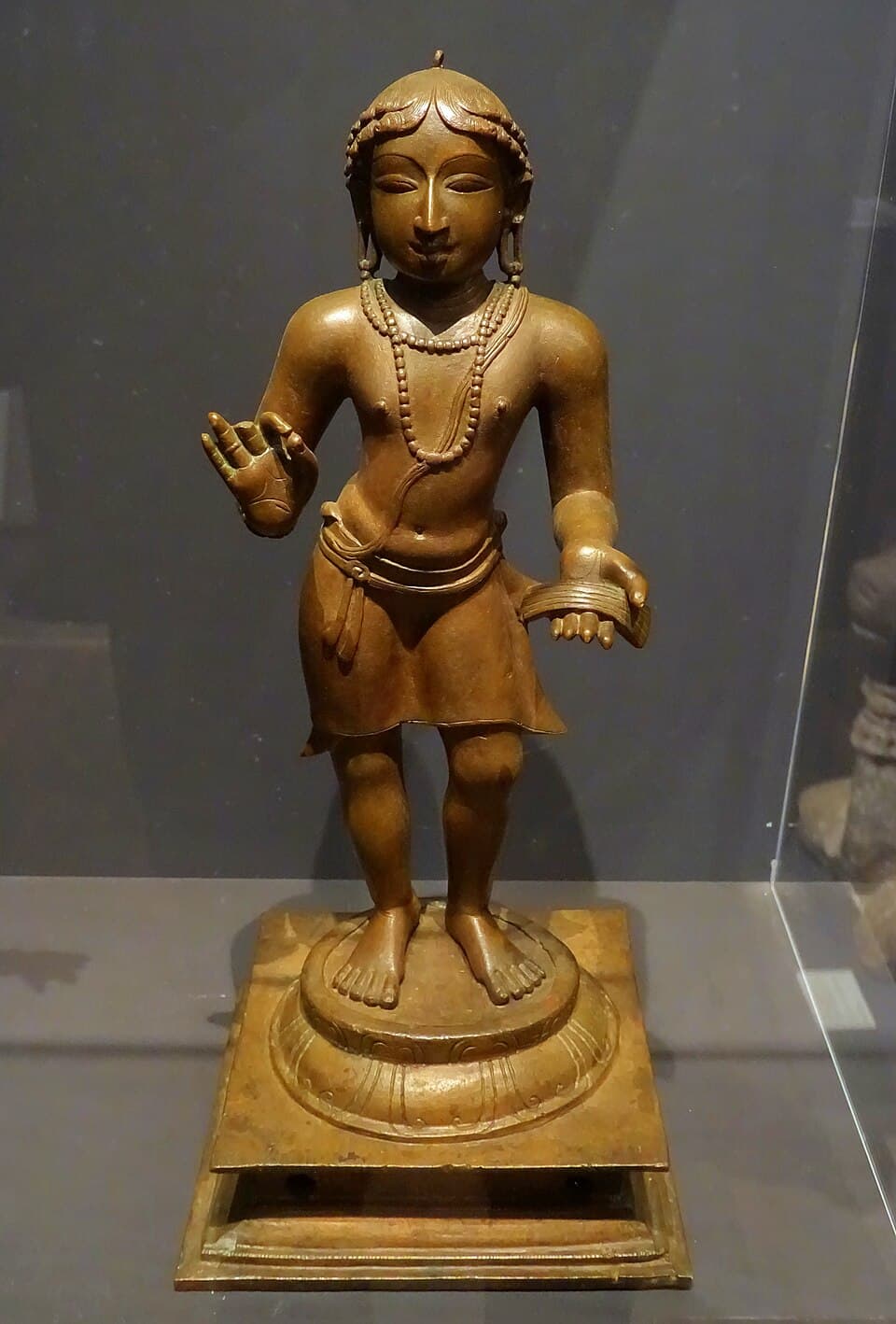
Manikkavacakar, a Chola bronze
Minister to a Pandya king, he composed the Tiruvasakam, the eighth book of the Tirumurai.
Daderot, Public domain, via Wikimedia Commons
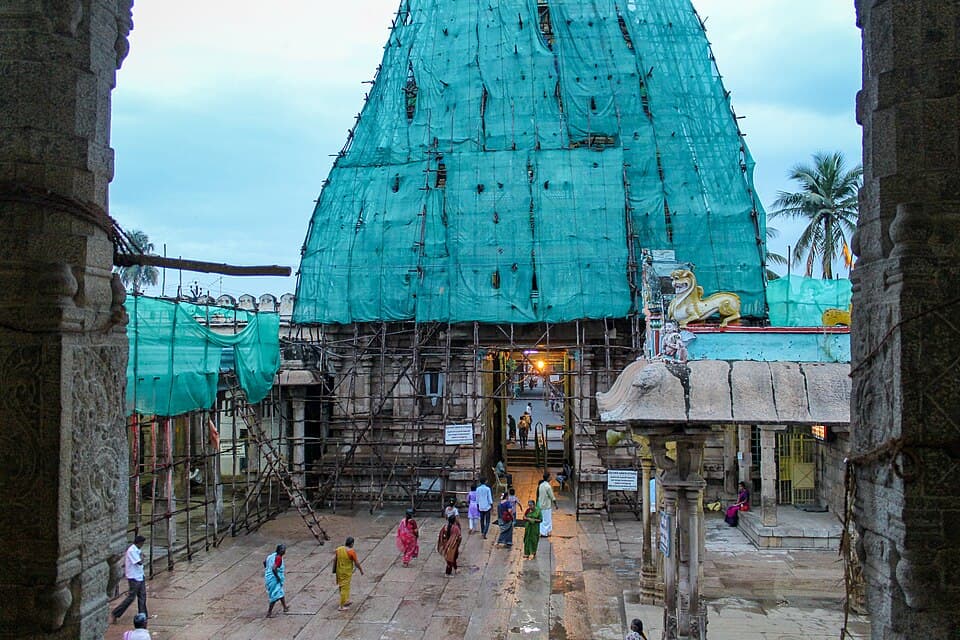
The gopuram at Srirangam
The great Vishnu temple at Srirangam, where Ramanuja was based.
Surabhi Vijayaraghavan, CC BY-SA 4.0, via Wikimedia Commons
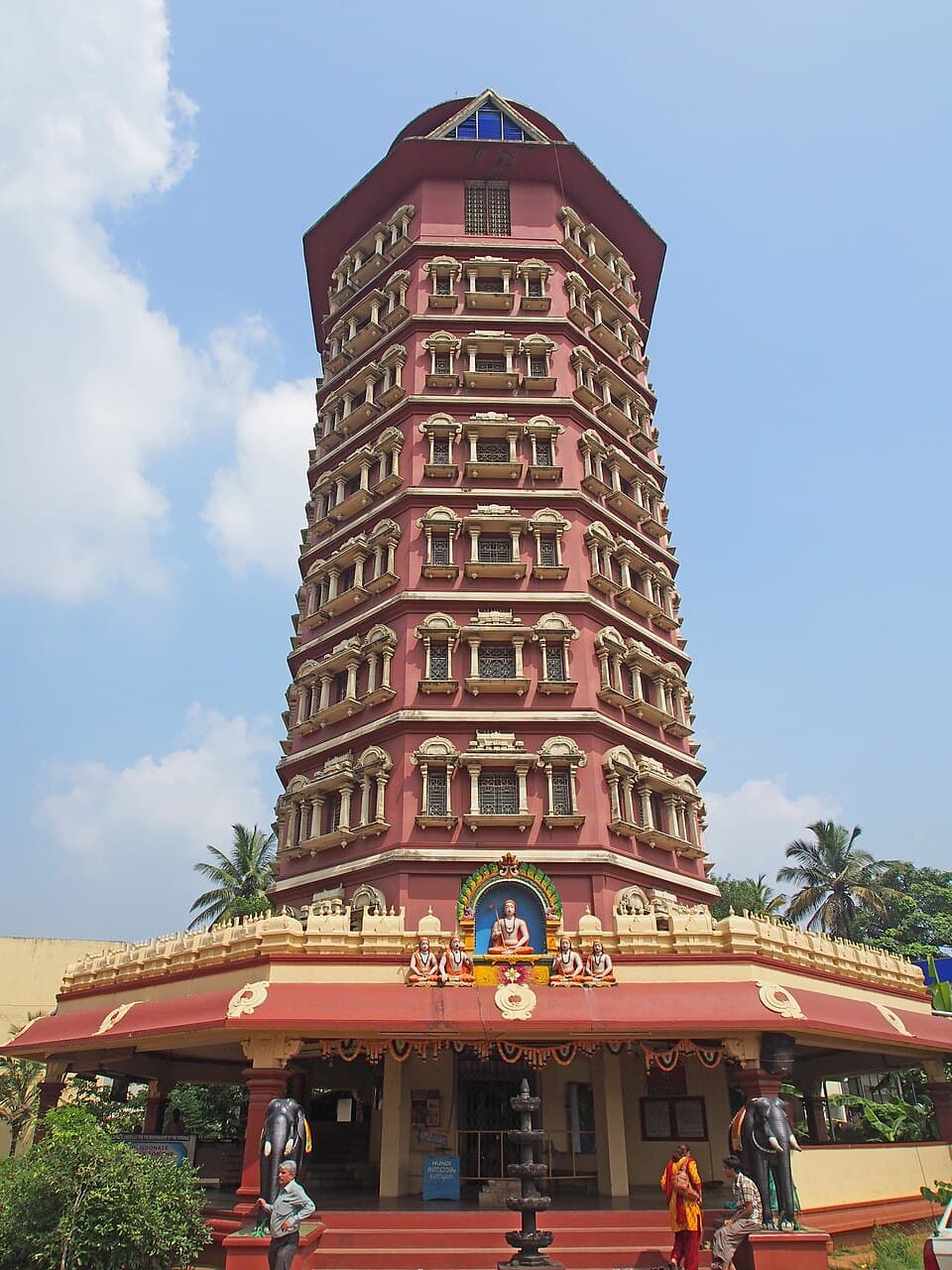
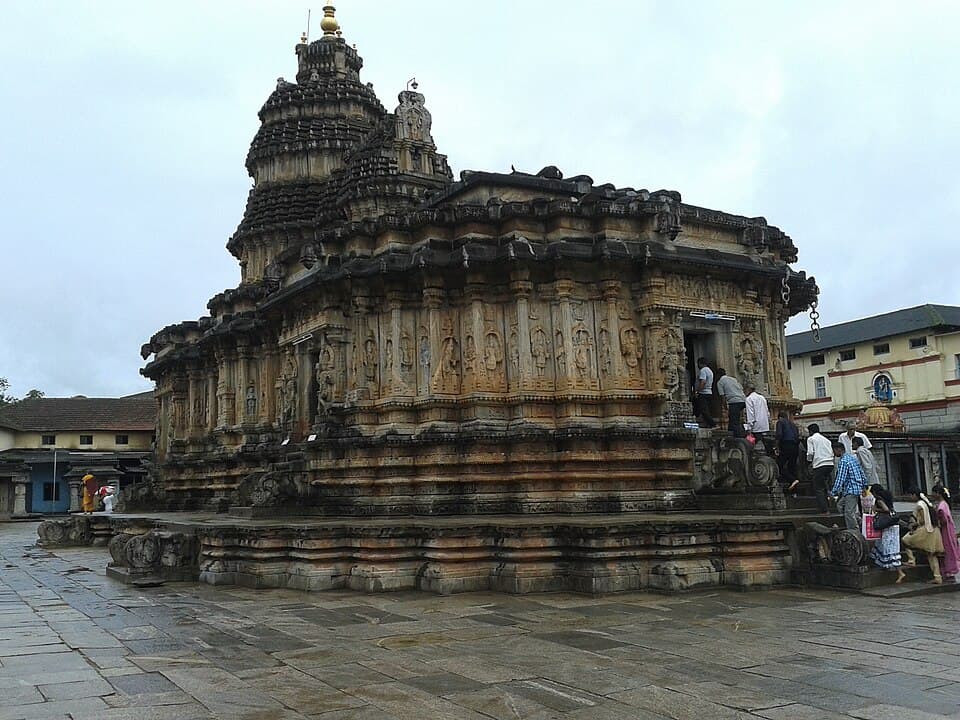
Sringeri
The seat of Shankaracharya's matha in the south.
Vijaykarla, CC BY-SA 3.0, via Wikimedia Commons
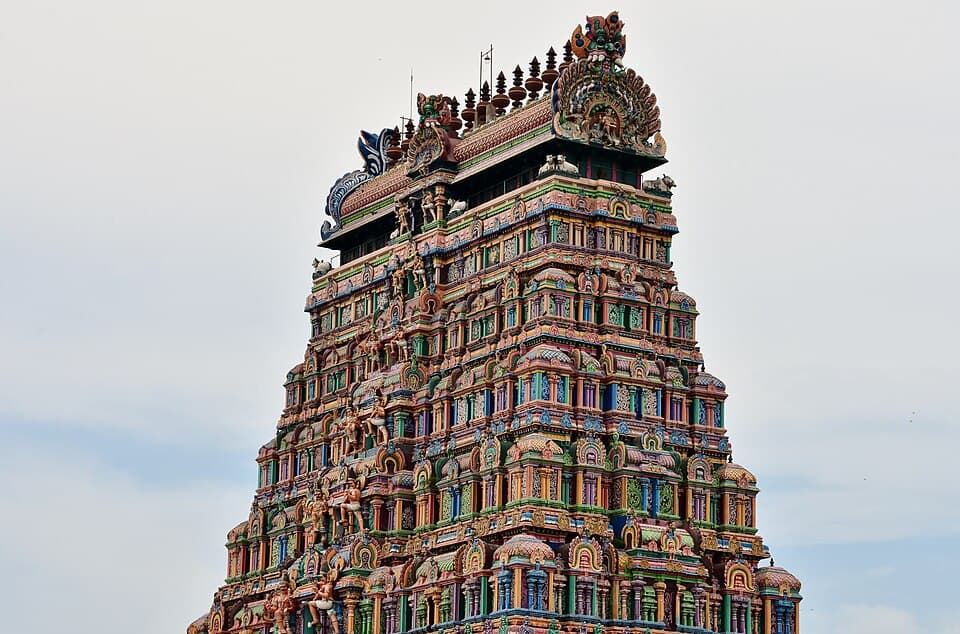
The Nataraja temple, Chidambaram
A great Shaiva temple of the Tamil country, where the Nayanmars' Bhakti took root.
Richard Mortel from Riyadh, Saudi Arabia, CC BY 2.0, via Wikimedia Commons


- Bhakti
- Devotion or loving attachment, from the root bhaj, to share or participate in.
- Nayanmar
- One of the 63 Tamil Shaiva saints.
- Alvar
- One of the 12 Tamil Vaishnava saints.
- Tevaram
- The hymns of the Nayanmars, the first seven books of the Tirumurai.
- Nalayira Divya Prabandham
- The four thousand sacred verses of the Alvars.
- Thiruvaimozhi
- Nammalvar's work, called the Tamil Veda.
- Thiruppavai
- Andal's hymns, sung every morning of Margazhi.
- Advaita
- Shankaracharya's non dualism: the soul and Brahman are identical.
- Maya
- The apparent diversity of the world, in Advaita.
- Prachanna bauddha
- Crypto Buddhist; Shankaracharya's charge against schools such as Samkhya.
- Vishishtadvaita
- Ramanuja's qualified non dualism.
- Prapatti
- Complete surrender to Vishnu as the path to liberation.
- Natha
- The yogic tradition of Gorakshanath.
- Vachana
- The Kannada poetry of the Veerashaiva saints.
- Sharana
- A Veerashaiva saint.
- Lingayata
- The Veerashaiva movement founded by Basavanna.
How far did Bhakti challenge caste?
It challenged it
- Saints rejected caste hierarchy within devotion, and Kannappa, Nandanar and Tiruppan Alvar came from the lowest strata.
- Basavanna's Veerashaivas rejected caste hierarchy itself.
It stopped short
- The inclusiveness rarely challenged the social order outside the devotional context.
Genuinely inclusive in devotion, Bhakti both challenged and reinforced the social order.
Mains
General Studies Paper 1; every question is also on the Mains PYQs pages.
2021 · Q110 marks150 words
Evaluate the nature of the Bhakti literature and its contribution to Indian culture.