Ecology & Environment
Threatened Species of India
Critically Endangered, Endangered and Vulnerable species.
IUCN statuses change, so keep them updated from current affairs.
Three categories mean threatened: Critically Endangered, Endangered and Vulnerable. What each of them means, and the categories either side of them, is set out below the list.
Endangered
14 speciesAsiatic LionPanthera leo persica
MammalEndemic · Gir landscape, Gujarat
Dry deciduous teak forest, thorn scrub and adjoining farmland and coastal tracts of the Saurashtra peninsula.
The only wild lions outside Africa, about 891 animals in the 2025 census. Smaller than African lions, with a distinctive longitudinal fold of skin along the belly and a sparser mane that leaves the ears visible. Note the assessment nuance: the subspecies is Endangered, while the species Panthera leo is Vulnerable.
Gujarat
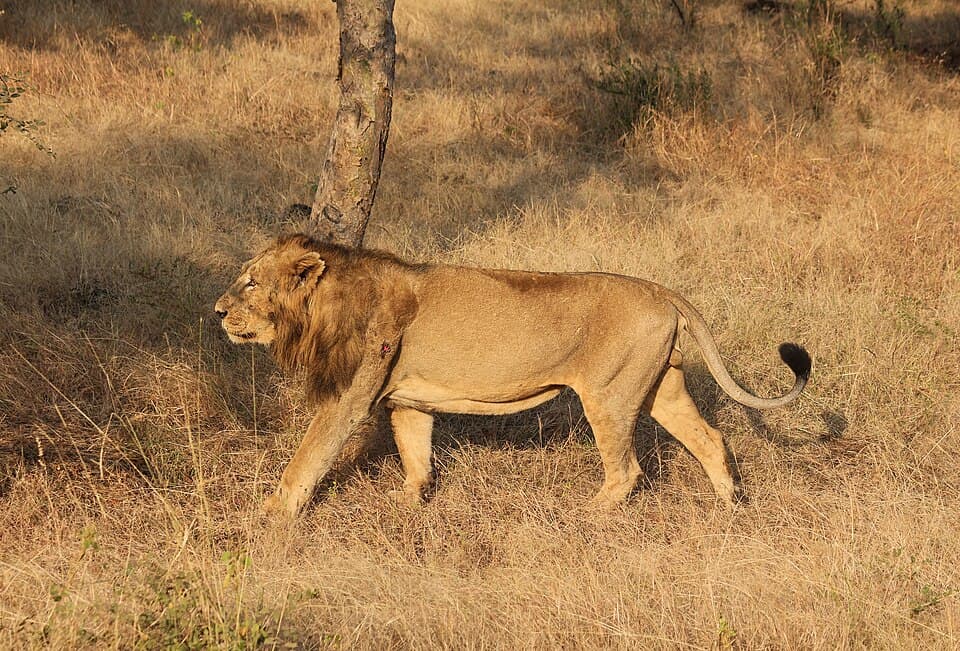
Photo: Bernard Gagnon · CC BY-SA 3.0 · Wikimedia Commons Lion-tailed MacaqueMacaca silenus
MammalEndemic · Western Ghats
Upper canopy of wet evergreen rainforest, 600 to 1,400 m. Silent Valley, Anamalai and Kudremukh are the strongholds.
Named for the tufted tail. The silver-white mane around a black face is unmistakable. One of the most arboreal macaques, rarely descending to the ground, which makes it exceptionally sensitive to forest fragmentation by plantations.
Kerala · Tamil Nadu · Karnataka
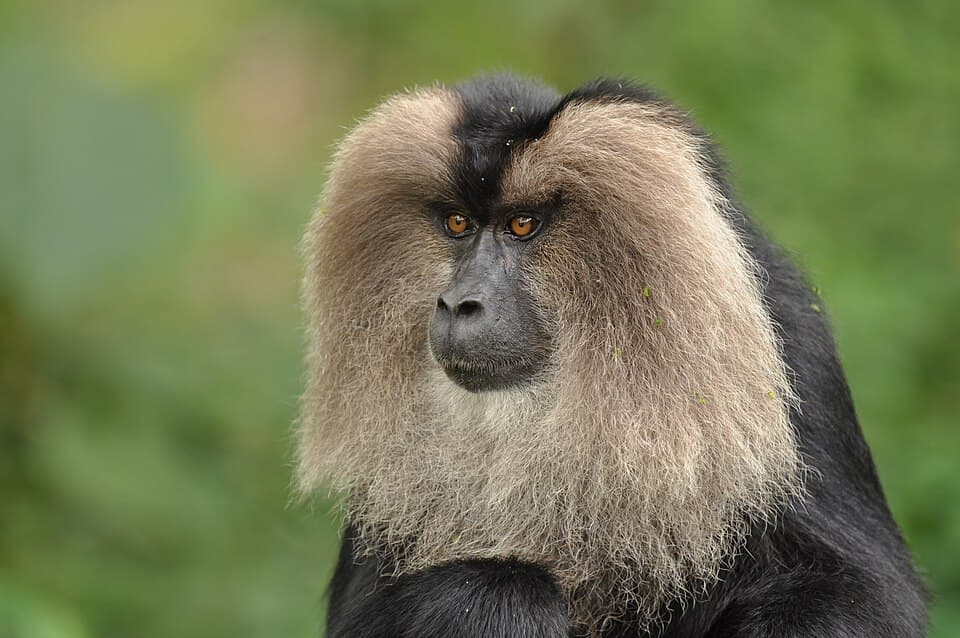
Photo: T. R. Shankar Raman · CC BY 3.0 · Wikimedia Commons Nilgiri TahrNilgiritragus hylocrius
MammalEndemic · Western Ghats
Shola grassland mosaic and steep rocky slopes, 1,200 to 2,600 m. Eravikulam National Park holds the largest single population.
State animal of Tamil Nadu and the only mountain ungulate in southern India. The sole species of its genus. Adult males, called saddlebacks, develop a pale grey saddle. The 2025 synchronised census counted 2,668 animals. Project Nilgiri Tahr began in 2023.
Tamil Nadu · Kerala
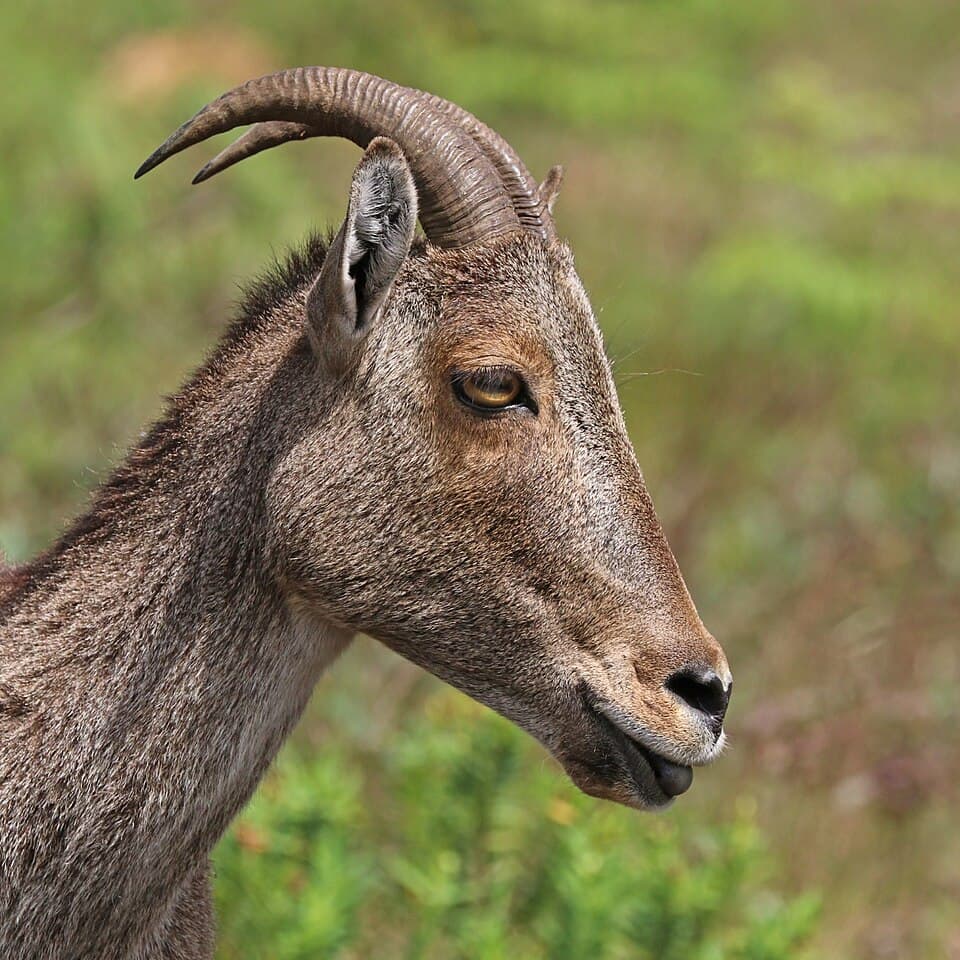
Photo: Charles J. Sharp · CC BY-SA 4.0 · Wikimedia Commons Sangai or Manipur Brow-antlered DeerRucervus eldii eldii
MammalEndemic · Loktak Lake, Manipur
Phumdis, the floating mats of vegetation on Loktak Lake, inside Keibul Lamjao National Park.
State animal of Manipur and the flagship of the only floating national park in the world. Called the dancing deer for its springy gait on the unstable phumdi surface, an adaptation of the hooves to spongy ground. Distinct from the Barasingha, which is a different species.
Manipur
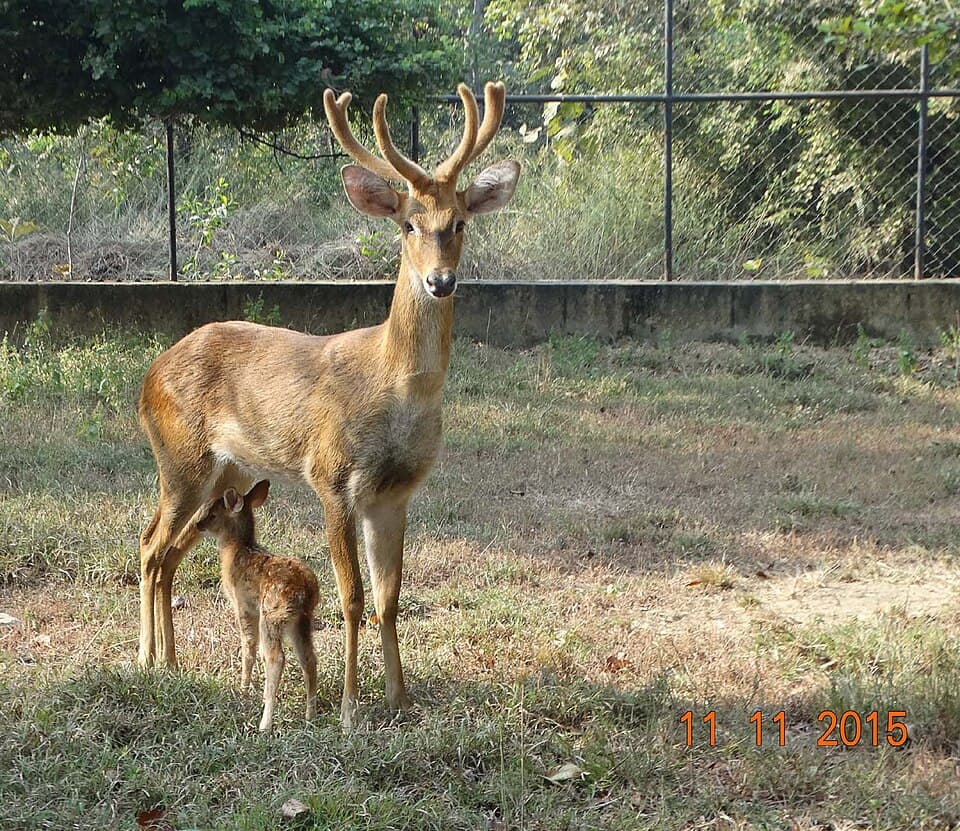
Photo: Sonampalli · CC BY-SA 4.0 · Wikimedia Commons Pygmy HogPorcula salvania
MammalEndemic · Assam grasslands
Dense, tall, dry alluvial grassland of the Manas landscape.
The smallest wild pig in the world, about 25 cm at the shoulder. The only suid that builds a roofed nest. Once thought extinct, it was rediscovered in 1971. The Pygmy Hog Conservation Programme has reintroduced captive-bred animals into Manas, Orang, Barnadi and Bornadi.
Assam

Photo: A. J. T. Johnsingh, WWF-India and NCF · CC BY-SA 3.0 · Wikimedia Commons Arunachal MacaqueMacaca munzala
MammalEndemic · Western Arunachal Pradesh
High-altitude temperate forest and cultivated valleys of Tawang and West Kameng, 2,000 to 3,500 m.
Described in 2005, one of the very few primates discovered anywhere in recent decades. The name means 'monkey of the deep forest' in the local Monpa language. Lives at an unusually high elevation for a macaque.
Arunachal Pradesh
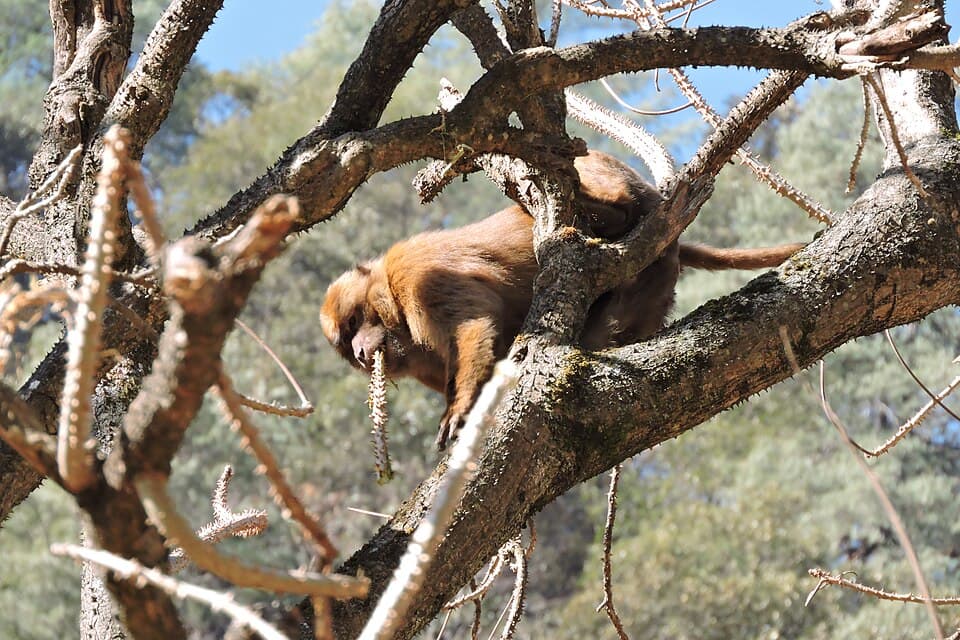
Photo: Kingshuk Mondal · CC BY 4.0 · Wikimedia Commons Forest OwletAthene blewitti
BirdEndemic · Central India
Dry deciduous teak forest with open glades. Melghat, Tansa and the Toranmal belt are key sites.
Rediscovered in 1997 after 113 years, in a rediscovery that also exposed a famous nineteenth century specimen fraud. Diurnal, unusually for an owl, and hunts lizards from an exposed perch.
Maharashtra · Madhya Pradesh · Gujarat · Odisha
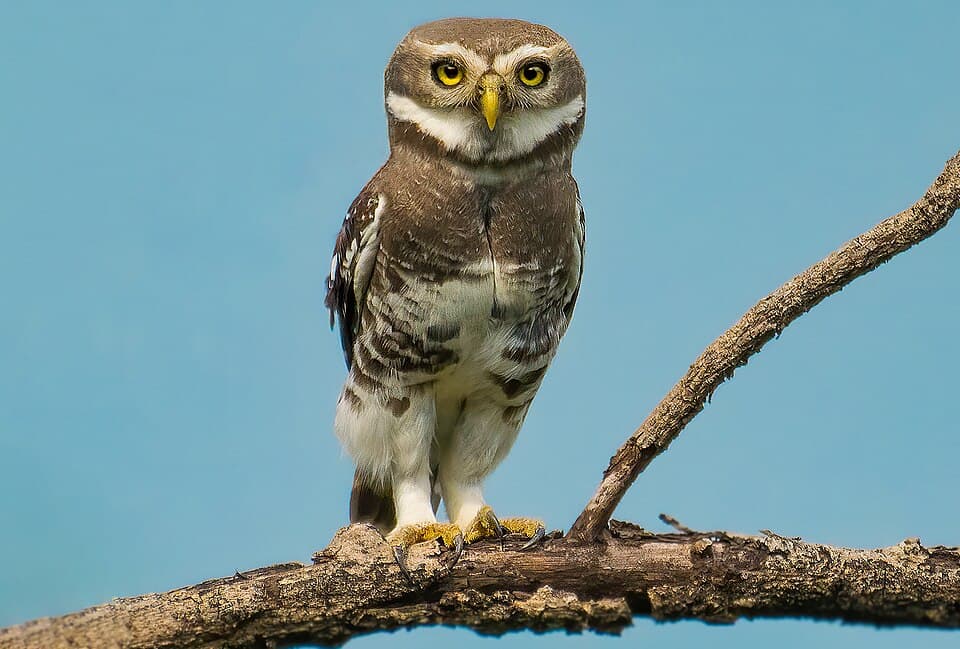
Photo: Saswat Mishra · CC BY-SA 4.0 · Wikimedia Commons Finn's WeaverPloceus megarhynchus
BirdEndemic · Terai belt
Tall wet grassland and sugarcane in the terai, nesting colonially in isolated trees.
Also called the yellow weaver. Unlike the common baya weaver it builds an untidy globular nest high in a solitary tree and is far more dependent on intact grassland.
Uttarakhand · Uttar Pradesh · Assam · West Bengal
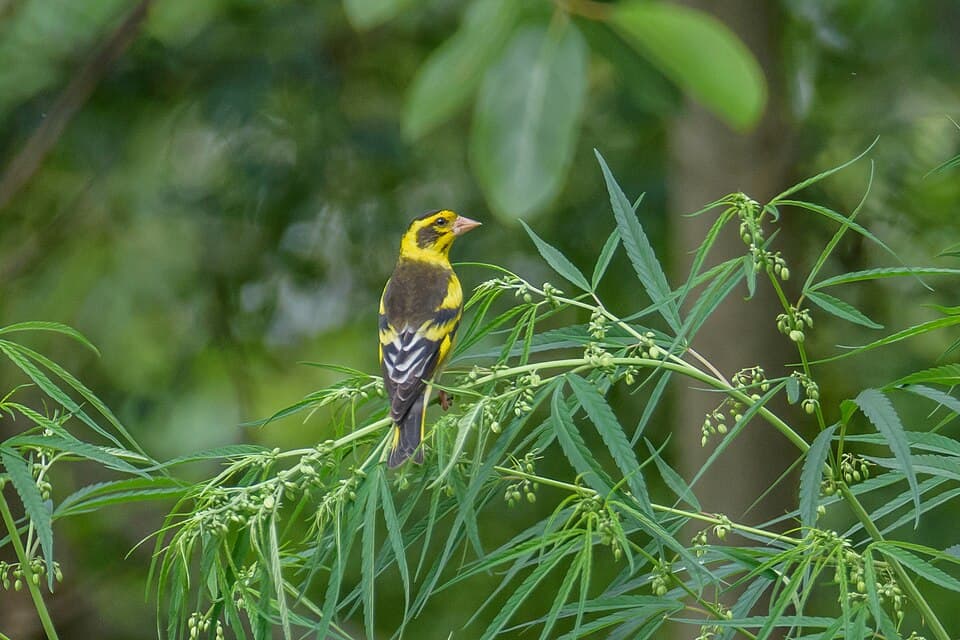
Photo: Creepanta · CC BY-SA 4.0 · Wikimedia Commons Assam Roofed TurtlePangshura sylhetensis
ReptileEndemic · Brahmaputra basin
Small forest streams and hill rivers of the Brahmaputra drainage.
The smallest of the roofed turtles and the only Pangshura species with a strongly serrated rear shell margin.
Assam · Arunachal Pradesh · Meghalaya · Nagaland
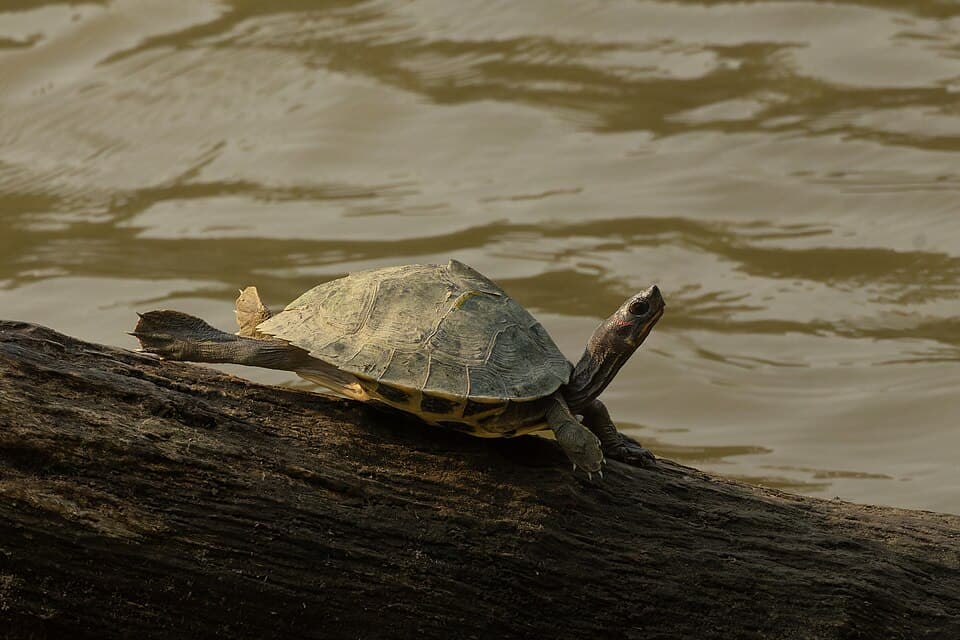
Photo: Tisha Mukherjee · CC BY-SA 4.0 · Wikimedia Commons Purple Frog or Pig-nosed FrogNasikabatrachus sahyadrensis
AmphibianEndemic · Western Ghats
Spends almost its entire life underground in moist soil of the southern Western Ghats, surfacing for only a few days a year.
Described in 2003 and placed in its own family, with its closest relatives in the Seychelles. It is a living record of the break-up of Gondwana, having diverged over 100 million years ago. Feeds on termites through a fluted tongue pushed into their tunnels. State amphibian of Kerala.
Kerala · Tamil Nadu
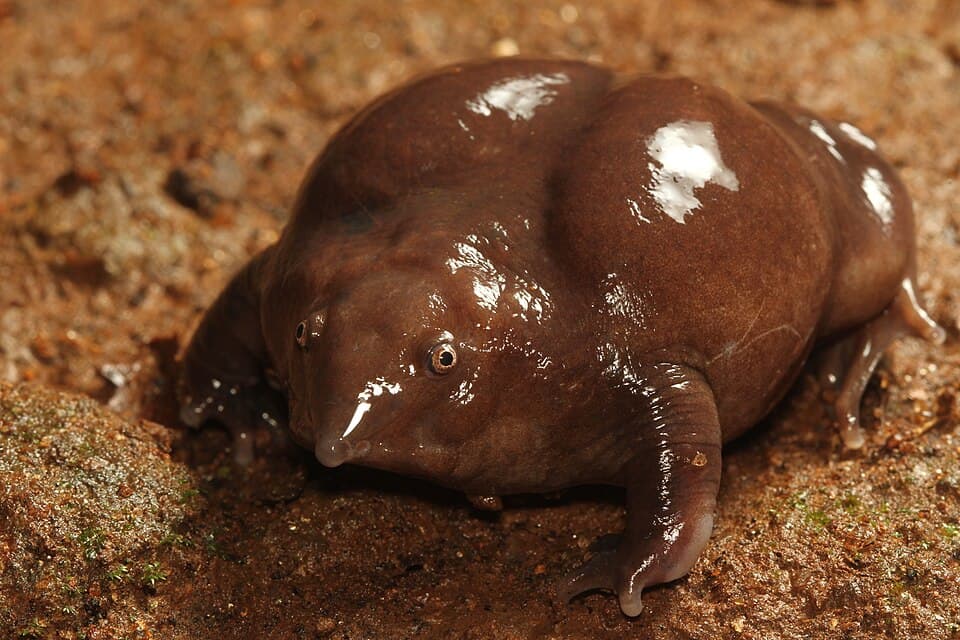
Photo: David V. Raju · CC BY-SA 4.0 · Wikimedia Commons Nepenthes khasiana or Khasi Pitcher PlantNepenthes khasiana
PlantEndemic · Meghalaya
Nutrient-poor, humid slopes and sandstone ledges of the Khasi and Jaintia hills.
The only pitcher plant native to India. Leaves are modified into pitchers that trap and digest insects, an adaptation to soils very poor in nitrogen. Known locally as memang-koksi, the devil's flower basket. Threatened by collection and by limestone quarrying.
Meghalaya
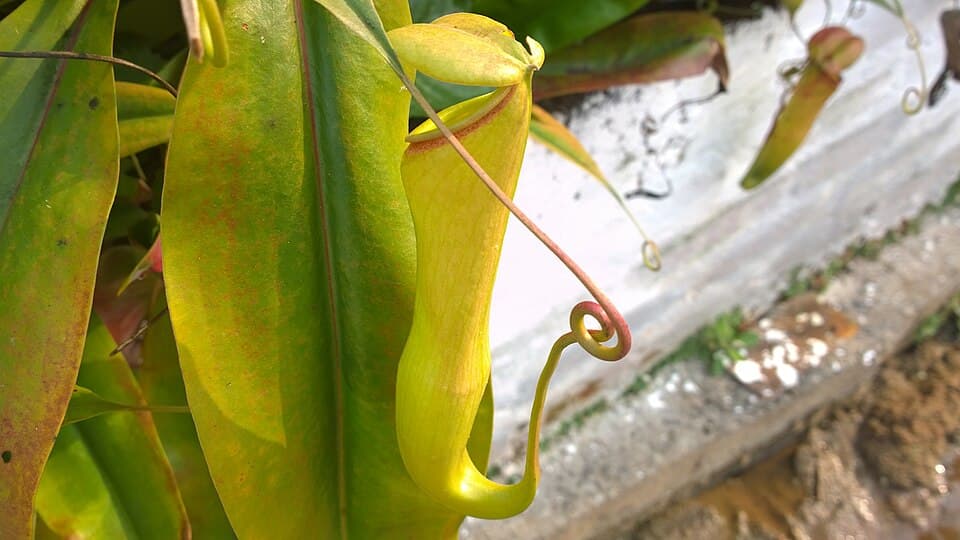
Photo: Hgm2016 · CC BY-SA 4.0 · Wikimedia Commons Globba andersoniiGlobba andersonii
PlantEndemic · Eastern Himalaya
Moist, shaded rocky slopes and stream banks in the Teesta valley, near Sikkim's border with Darjeeling.
A wild ginger known as the dancing ladies. Rediscovered in 2015 after nearly 130 years. Recognised by white flowers with a hooded orange-yellow lip and pendulous inflorescences.
Sikkim · West Bengal
Cycas beddomeiCycas beddomei
PlantEndemic · Tirumala hills
The Tirumala hills of Andhra Pradesh.
The only cycad on CITES Appendix I.
Andhra Pradesh
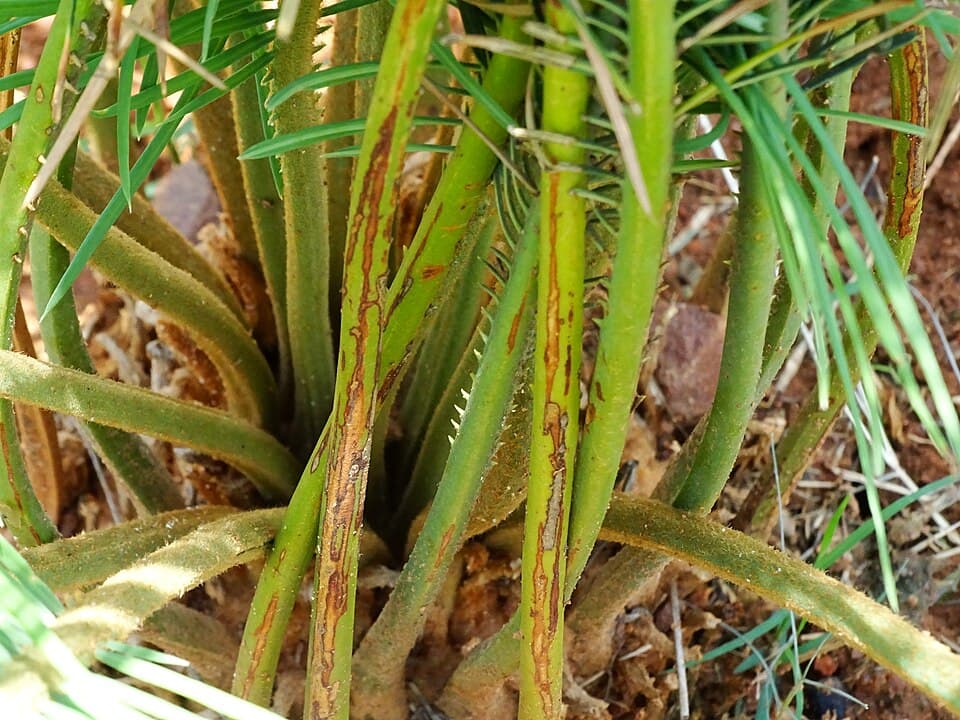
Photo: Forestowlet · CC0 · Wikimedia Commons Red SandersPterocarpus santalinus
PlantEndemic · Seshachalam and Palakonda hills, Andhra Pradesh
Dry deciduous forest on the rocky slopes of the Seshachalam and Palakonda hills of the southern Eastern Ghats.
Reassessed as Endangered in 2021, three years after it was downlisted to Near Threatened, for the poaching of its heartwood. On CITES Appendix II.
Andhra Pradesh
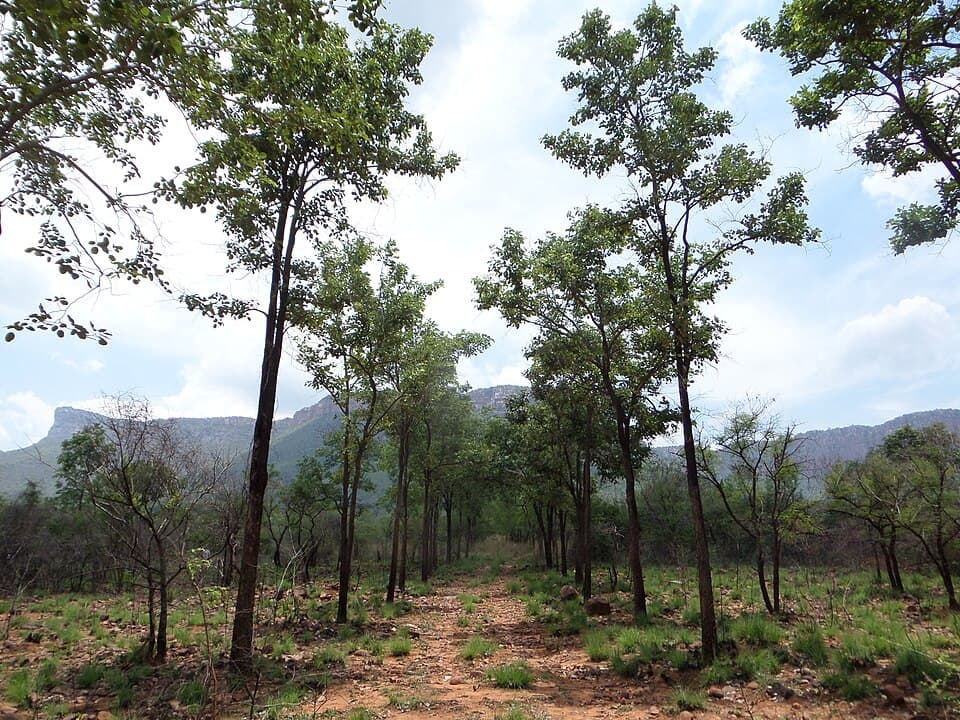
Photo: rajaraman sundaram · CC BY 3.0 · Wikimedia Commons


_female_head.jpg)


_by_Saswat_Mishra.jpg)
_39.jpg)


What the categories mean
IUCN Red List- EXExtinctNo reasonable doubt the last individual has died.
- EWExtinct in the WildSurvives only in cultivation, captivity or as a naturalised population outside its range.
- CRCritically EndangeredFacing an extremely high risk of extinction in the wild.
- ENEndangeredFacing a very high risk of extinction in the wild.
- VUVulnerableFacing a high risk of extinction in the wild.
- NTNear ThreatenedClose to qualifying as threatened, or likely to qualify soon. Not itself a threatened category.
- LCLeast ConcernAssessed, and does not qualify for any category above. Widespread and abundant species sit here.
The three that mean threatened. This page lists those and nothing else.
Outside the scale
- DDData DeficientNot enough information to assess the risk. It is a statement about the evidence, not about the species.
- NENot EvaluatedHas not yet been assessed against the criteria.
Recent status changes
12 to knowAssessments that have moved. Some of these species are no longer threatened and so are not in the list above.
Greater Adjutant
Downlisted from Endangered to Near Threatened in the 2023 Red List update, after the Hargila Army community programme in Assam raised nests in Kamrup from 28 in 2010 to more than 250. It should no longer be taught as Endangered.
Lesser Adjutant
Downlisted from Vulnerable to Near Threatened in 2023.
Painted Stork
Downlisted from Near Threatened to Least Concern in 2023.
Snow Leopard
Downlisted from Endangered to Vulnerable in 2017. Many Indian study materials still say Endangered.
Fishing Cat
Downlisted from Endangered to Vulnerable in 2016.
Asiatic Lion
The subspecies Panthera leo persica is assessed Endangered; the species Panthera leo is assessed Vulnerable. Both statements appear in print, so specify which you mean.
Himalayan Brown Bear
Often listed as Endangered or Critically Endangered in Indian material. The IUCN assesses the species Ursus arctos as Least Concern and has not assessed the Himalayan subspecies separately. It is Schedule I under the Wild Life (Protection) Act, which is a different thing from an IUCN category.
Red Sanders
Uplisted from Near Threatened to Endangered; older materials, including the handout, still say Near Threatened.
Indian Wild Ass
The species Equus hemionus is Near Threatened, not Endangered. The khur population in the Rann of Kachchh has grown steadily.
Blackbuck
Least Concern since 2017, not Near Threatened. It remains Schedule I in India.
Black-necked Crane
Downlisted from Vulnerable to Near Threatened in 2020.
Indian Leopard
Often taught as Near Threatened from older lists; the species has been Vulnerable since 2016.
What is being done
Species Recovery ProgrammeThe Government of India runs targeted recovery programmes for 22 entries covering 32 species, under the Integrated Development of Wildlife Habitats scheme. Three of them are Least Concern on the Red List and are on the national list all the same, because a programme answers to what has happened in India rather than to the species everywhere.
The Species Recovery Programme →Related current affairs
The topics that keep up with the news on this.